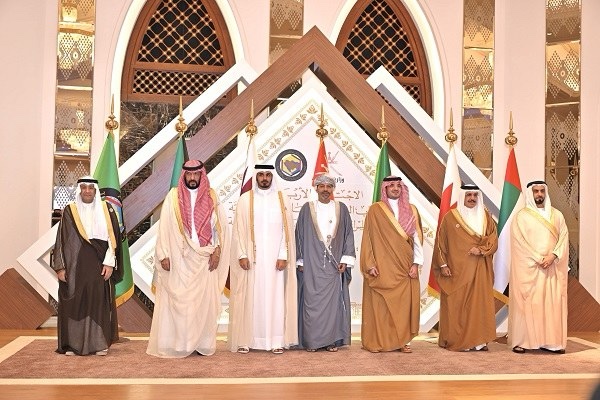
MUSCAT: Interior ministers of the Gulf Cooperation Council states have unanimously approved the introduction of a unified Gulf tourist visa.
During their 40th meeting, held in the Omani capital Muscat, the ministers also gave the green light for the launch of an electronic system linking traffic violations.
Jasem Albudaiwi, secretary-general of the GCC, said the unified tourist visa scheme, to be implemented within “a specific timetable,” was a further sign of increased cooperation between the Gulf states.
The unified visa is a major element of the GCC 2030 tourism strategy, which is aimed at increasing the sector’s economic contribution through increased regional travel and higher hotel occupancy rates, Abdulla bin Touq, UAE Minister of Economy, said last month.
The strategy intends to boost the number of visitors to the bloc to 128.7 million visitors by 2030. That is up from 39.8 million last year, which was an increase of about 137 per cent compared with 2021.
The total number of hotels in the region stood at 10,649 by the end of last year, recording a growth of 1.2 per cent, compared with 2016.
Out of that, the UAE alone has 1,114 hotels, ranking second in the region after Saudi Arabia, Mr bin Touq said.
The Middle East’s tourism sector has recorded the strongest post-coronavirus rebound in the world, despite persistent global economic headwinds, according to HSBC.
The new programme is expected to be a game-changer for the region, according to industry operators.
There is an untapped market for tourism in the GCC bloc, with many travellers put off by visa restrictions that made reaching some nations difficult, they said.
A single GCC tourism visa will be a “fantastic development” for tourism in the region, making it more attractive for visitors and businesses, Dubai Airports chief executive Paul Griffiths told reporters.
“It’s one of those planks in the travel arsenal that will be greater than the sum of its parts … The development of tourism in other countries in the Middle East will make the whole region more attractive and encourage more businesses,” he said.
The more cities there are on the tourism map that encourage people to visit the Middle East, the better the world’s perception of the region, Mr Griffiths said.


 MDW Live! News Network
MUSCAT: Interior ministers of the Gulf Cooperation Council states have unanimously approved the introduction of a unified Gulf tourist visa.
During their 40th meeting, held in the Omani capital Muscat, the ministers also gave the green light for the launch of an electronic system linking traffic violations.
Jasem Albudaiwi, secretary-general of the GCC, said the unified tourist visa scheme, to be implemented within “a specific timetable,” was a further sign of increased cooperation between the Gulf states.
The unified visa is a major element of the GCC 2030 tourism strategy, which is aimed at increasing the sector’s economic contribution through increased regional travel and higher hotel occupancy rates, Abdulla bin Touq, UAE Minister of Economy, said last month.
The strategy intends to boost the number of visitors to the bloc to 128.7 million visitors by 2030. That is up from 39.8 million last year, which was an increase of about 137 per cent compared with 2021.
The total number of hotels in the region stood at 10,649 by the end of last year, recording a growth of 1.2 per cent, compared with 2016.
Out of that, the UAE alone has 1,114 hotels, ranking second in the region after Saudi Arabia, Mr bin Touq said.
The Middle East’s tourism sector has recorded the strongest post-coronavirus rebound in the world, despite persistent global economic headwinds, according to HSBC.
The new programme is expected to be a game-changer for the region, according to industry operators.
There is an untapped market for tourism in the GCC bloc, with many travellers put off by visa restrictions that made reaching some nations difficult, they said.
A single GCC tourism visa will be a “fantastic development” for tourism in the region, making it more attractive for visitors and businesses, Dubai Airports chief executive Paul Griffiths told reporters.
“It’s one of those planks in the travel arsenal that will be greater than the sum of its parts … The development of tourism in other countries in the Middle East will make the whole region more attractive and encourage more businesses,” he said.
The more cities there are on the tourism map that encourage people to visit the Middle East, the better the world’s perception of the region, Mr Griffiths said.
Share this: