

COLOMBO (AFP)-Sri Lanka announced on Tuesday (Apr 7) a record US$320 million relief package for farmers, fishermen and low-income households hit hardest by soaring energy costs due to the Middle East war.
President Anura Kumara Dissanayake said the package, the biggest state handout ever, would help the most vulnerable in the island nation of 22 million.
Cash grants would be paid directly into the accounts of thousands of fishermen and rice and tea farmers, he said.
Those living below the poverty line – about 25 per cent of the population – would get an additional US$25 this month to celebrate the traditional Sinhala and Tamil New Year festivals, and also have their electricity bills subsidised.
“The total relief package is valued at 100 billion rupees (US$320 million) over three months,” Dissanayake said. “We are funding this through the existing budget.”
He said the government was keen to avoid a repeat of the 2022 meltdown, when the country saw record inflation of 70 per cent after the government printed money to fund subsidies.
Sri Lanka is still on an IMF bailout programme that began in early 2023 when it secured a US$2.9 billion loan spread over four years.
Dissanayake said he was hopeful of drawing down the next tranche of about US$700 million from the IMF by the end of next month, following the conclusion of a staff-level agreement with the Washington-based lender this week.
Under the latest scheme, fishermen using smaller boats will get up to about US$300 a month fuel subsidy, while operators of bigger boats will get about US$483 a month for three months.
For farmers, the government will absorb about 30 per cent of the cost of urea fertiliser, he said, adding that the state will also bear part of electricity generation costs, up to 15 billion rupees (US$48 million).
He said the government was keen to ensure continuity of supplies and was in talks with Russia to resume imports of gas, coal, fuel and fertiliser previously hit by US sanctions.
“We have a window until Apr 11 to secure supplies from Russia after President Trump temporarily lifted sanctions,” Dissanayake said.
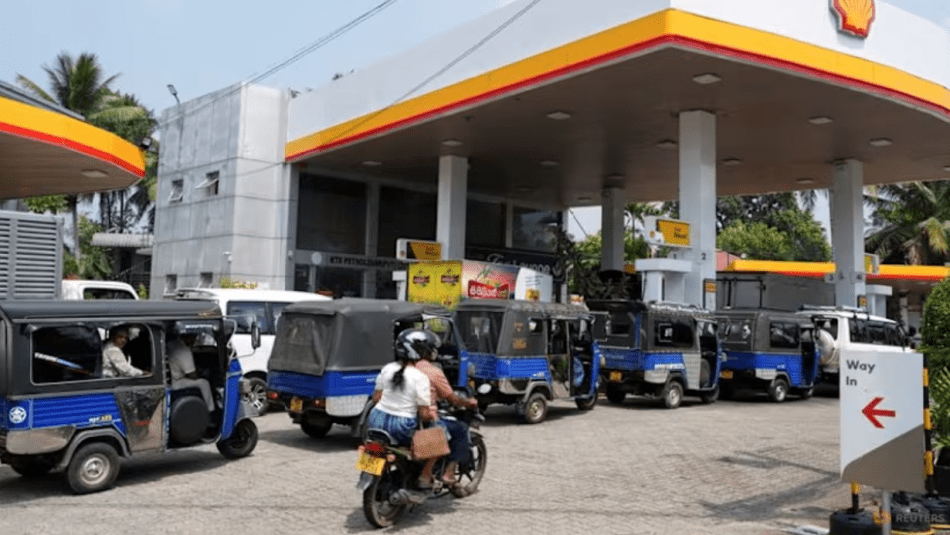
Sri Lanka has increased fuel prices by a third while raising electricity tariffs by up to 40 per cent since the start of the US-Israeli attacks against Iran on Feb 28.
A four-day working week introduced last month will be discontinued this week, as officials said the Wednesday day off had not led to expected energy savings.
The South Asian nation imports all its coal, gas and petroleum requirements and is heavily dependent on oil from the Middle East.
 MDW Live! News Network
0 comments on “Sri Lanka unveils US$320 million subsidy to offset energy costs”